writing

“Do you know Jane Austen?”

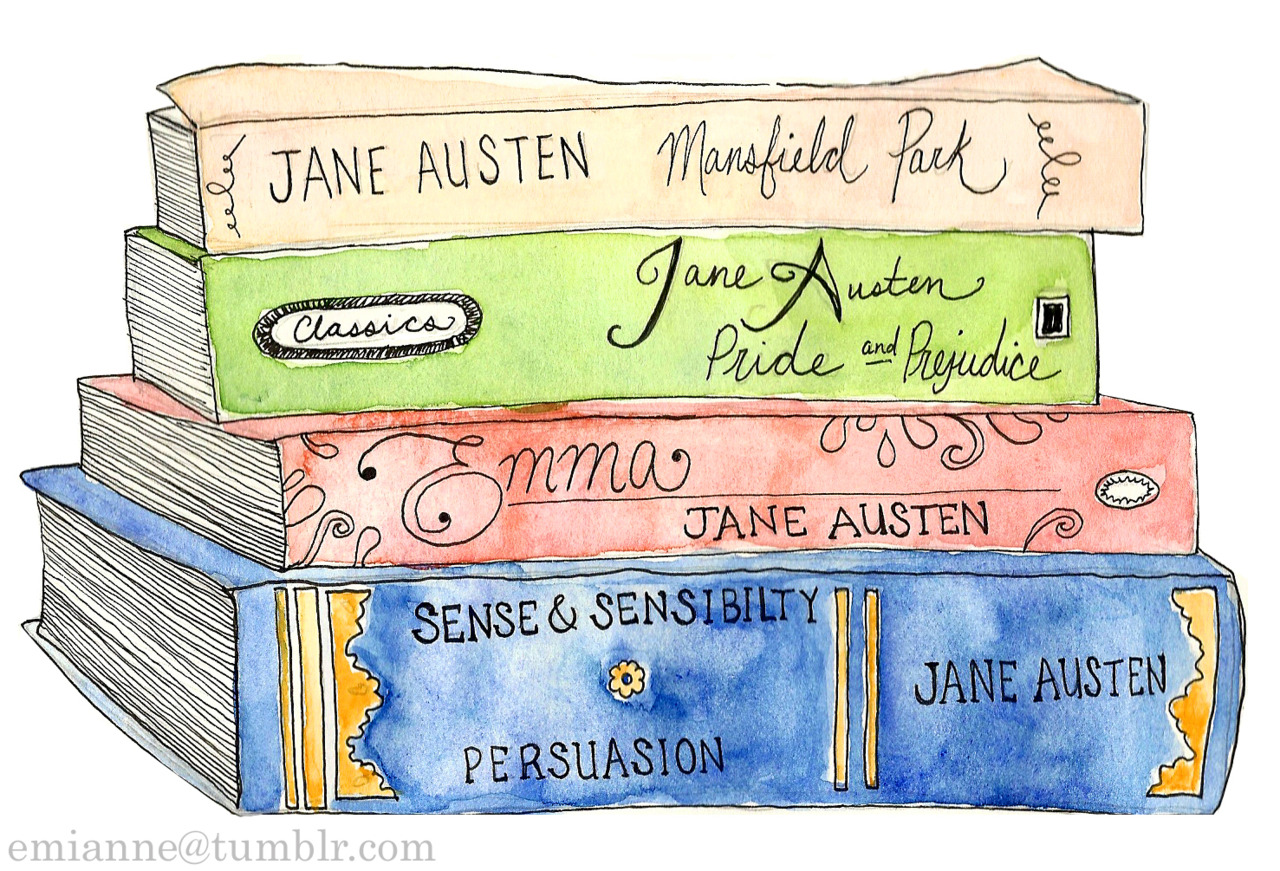
jane austen books

 I’m only joking, I’ve never actually been asked that, but, along with Shakespeare and Dickens, everyone expects an English author to be very knowledgeable about everything any of these writers has ever written…especially when you’re a high school English teacher as well!  However, Austen is an undeniable part of my cultural heritage and an important part of what makes me as a writer.

I’ve visited Austen’s home in Alton, I’ve toured the museum, I’ve walked the streets of Bath and Lyme Regis; heck, I even know someone who had a Jane Austen themed hen party!  Yes, I think that Colin Firth is the superior Darcy.  Yes, Knightley would be the character I’d choose to marry.  Yes, I think that Mrs Bennett would have been insufferable as a mother.  And this is what I love about Austen; we get so drawn into her characters and their lives.

But, as a writer, there are five lessons I’ve learned from Jane Austen that carry through into my own novel, Curve:

  1. Second, third, fourth readings should be at least as good as the first.  It’s all about crafting the details until they are smooth and almost unnoticeable on a first reading.  The hours spent redrafting and editing hopefully mean this has worked for me too!
  2. Writers write best about the world they know best.  I’m a small-town girl at heart, like Jane, so it makes sense that is the world I would set my first novel in.  Visiting places Austen lived helped me to see how much she really knew these places.
  3. It’s OK to be the nice, quiet one.  Characters like Elinor Dashwood and Mr Knightley rightly get their happy ending; just because it was a little less dramatic, doesn’t make it any less fulfilling.  I wanted my main character to be a quiet, hardworking Everygirl; definitely more Elinor than Marianne!
  4. Young women face pressure on all fronts.  The types of pressure might have been different, but it’s always been harder to be a girl.  Cass, my main character, faces a really dark experience.  Let’s not shy away from admitting that the world is still not yet equal.
  5. You can’t choose your family!  Austen created some amazingly funny characters in family members of the main characters, but she also showed the tensions and friction in many families.  Yes, Cass’s family is rather more modern in their make-up and issues but family is family.

Jane Austen is always going to be popular, whether because of yet another film adaptation of Pride and Prejudice or because of an updated version like The Jane Austen Book Club.  Her writing is universal.  It tells of love, life and family…and we’re all interested in that.

Uncategorized

The Sea of Friendship

(copied from a Facebook post I wrote on 31st December 2013)

On each of the last three days I have met up with friends: an evening out and two lunch dates. These few hours have been a wonderful chance to catch up with some that I see regularly, some that I see a few times a year and one who I haven’t seen in person for absolutely ages (yes, years!). Yet there was no awkward moments or ‘So what have you been up to?’ needed; this got me thinking about friendship and its role in our lives. And, you know me, I love a good extended metaphor…There is probably nothing here that you haven’t heard, or read, before but I am compelled to write it.

Friendships are the sea in our lives: they ebb and flow, but are always there. Some are exhilarating and drench you with their force. Some are gentle, allowing you to hear the noise of the pebbles shifting beneath your feet. Like the sea, these friendships often carry their flotsam and jetsam with them: work, partners, children. Sometimes we see beauty in the driftwood, sometimes we bemoan other people’s detritus ruining the seascape. But we know that the sea will continue, even after these things have gone.

There are times in our lives when we just want to be ‘beside the sea’. I don’t mean lying on a crowded beach smothered in sun lotion, but a place where it is just us, and maybe a loved one, and the sea. If you are fortunate to live near the coast, you know what I mean: the way time disappears whilst watching the waves, tasting the salt on your lips, maybe even daring to play within the breaking surf. There is a sense of something bigger, more powerful than oneself – or maybe that we are part of a much bigger picture than our own lives? Sometimes the sea is the best way to experience the power of the seasons: the storms, the wind, the sun.

This is the same with friendships. We have moments of needing to be with those who are constant, who know us and allow us to be ourselves. They give us a sense of belonging: a sense that we contribute to something bigger than the occasional mundanity of our own existence. There is reassurance from the familiarity and rhythm they bring. Sometimes these friendships reflect, even magnify, the weather and seasons of our lives. They help us to deal with the things we can not change or have no control over.

At this point in my life, some friendships are ebbing, some are flowing; but that’s OK. Maybe I can’t plot exactly when the tide will turn, but I know the signs to look out for. Part of getting older is knowing that you can’t change the tide, so it’s better to embrace it. Those friendships will flow again.

I’m not tagging any of my friends in this post but I trust that they know who they are and how important they are to me, even if we are currently ebbing.


writing

The first time I…

So, this is my first ever blog post and follows a year of firsts around writing and publishing my first book, Curve.

I’m not sure about blogging. Who will read it?  Will they expect it to be humorously entertaining?  Will it become the proverbial albatross when I’m already struggling to write as well as work full-time?

Time will tell, I suppose, but you don’t know unless you try.

So, blogging is like olives, then?